Rovnaké skrutkové čerpadlá hrúbky steny
Cat:Čerpadlá
Skrutkové čerpadlá vybavené statorom s rovnakou hrúbkou steny, rovnakým druhom prietoku pumpy a tlaku sa zvyšuje. Rovnaká hrúbka steny statora zais...
Pozri podrobnosti
A skrutkové čerpadlo — tiež známe ako progresívne dutinové čerpadlo alebo jednozávitovkové čerpadlo — je objemové čerpadlo, ktoré prenáša tekutinu rotáciou jednej alebo viacerých špirálových skrutiek. Na rozdiel od odstredivých čerpadiel, skrutkové čerpadlá pohybujú kvapalinou axiálne pozdĺž osi skrutky s minimálnou turbulenciou, vďaka čomu sú mimoriadne vhodné na manipuláciu s viskóznymi médiami, médiami citlivými na strih alebo s pevnými látkami. Od čistiarní odpadových vôd až po linky na spracovanie potravín, skrutkové čerpadlá sú nevyhnutné v desiatkach priemyselných odvetví . Tento článok skúma ich pracovné princípy, aplikácie, konštrukčné komponenty a prečo je výber správneho výrobcu skrutkového čerpadla dôležitý pre dlhodobú prevádzkovú efektivitu.
Princíp činnosti skrutkového čerpadla je založený na objemovom objeme. V jednozávitovkovom čerpadle (progresívne dutinové čerpadlo) sa jediný závitovkový rotor otáča excentricky vo vnútri elastomérového statora. Rotor je typicky vyrobený z kalenej ocele so špirálovým profilom, zatiaľ čo stator je dvojzávitnicová elastomérová objímka uložená v kovovom plášti. Ako sa rotor otáča, medzi rotorom a statorom sa vytvárajú utesnené dutiny a tekutina je postupne tlačená zo sacieho konca na výtlačný koniec v hladkom prúde bez pulzácií.
Tento mechanizmus odlišuje skrutkové čerpadlá od peristaltických alebo zubových čerpadiel. Pretože dutiny sú utesnené a pohybujú sa nepretržite bez spätného toku, nárast tlaku je konzistentný a prietok je úmerný rýchlosti otáčania . Podľa technických referencií z Hydraulic Institute (HI) sú progresívne dutinové čerpadlá dimenzované na viskozity od 1 cP do viac ako 1 000 000 cP, čo z nich robí jednu z najuniverzálnejších dostupných technológií na manipuláciu s kvapalinami.
Stator pre progresívne dutinové čerpadlá je kritický komponent opotrebovania. Jeho elastomérny materiál — prírodný kaučuk, NBR, EPDM alebo FKM — musí zodpovedať chemickým vlastnostiam a teplote čerpanej kvapaliny. Nesúlad vedie k predčasnému opuchu alebo prasknutiu statora. To je dôvod, prečo je výber správnych náhradných dielov pre progresívne dutinové čerpadlá od skúseného výrobcu skrutkových čerpadiel nevyhnutný pre dlhú životnosť čerpadla.
Obrázok 1: Izometrická 3D schéma jednoduchého skrutkového čerpadla (čerpadlo s progresívnou dutinou), zobrazujúca špirálový rotor, elastomérový stator, vstupné/výstupné príruby a hnací motor. Kvapalina sa pohybuje axiálne od vstupu k výstupu, keď utesnené dutiny postupujú pozdĺž rotora.
Najrozšírenejšie skrutkové čerpadlo využíva enviromentálny, priemyselný, potravinársky a energetický sektor. Ich jemné čerpanie s nízkym strihom je ideálne pre tekutiny, ktoré nesmú byť emulgované, prevzdušňované alebo degradované. Nižšie je uvedený štruktúrovaný prehľad kľúčových sektorov a špecifickej úlohy, ktorú v každom zohrávajú skrutkové čerpadlá.
| priemysel | Typická aplikácia | Typ kvapaliny | Variant čerpadla |
|---|---|---|---|
| Čistenie odpadových vôd | Presun kalu, bioplynová suspenzia | Vysoko viskózny kal s pevnými látkami | Kalové skrutkové čerpadlo |
| Potraviny a farmácia | Omáčka, smotana, cesto, farmaceutická kaša | Viskózny, citlivý na strih | Potravinárske skrutkové čerpadlo (hygienické) |
| Petrochemický | Prevod ropy, dávkovanie polyméru | Ropa, ťažký vykurovací olej | Jednozávitové čerpadlo |
| Papier a buničina | Buničina, atrament, prenos povlaku | Vláknitá suspenzia | Kanalizačné skrutkové čerpadlo / vertikálne skrutkové čerpadlo |
| Chemický | Chemický dosing, slurry transfer | Žieravý, abrazívny | Jednozávitové čerpadlo with chemical-resistant stator |
| Baníctvo a energetika | Odvodňovanie baní, uhoľná kaša | Brúsna kaša | Vertikálne skrutkové čerpadlo |
Skrutkové čerpadlá v odpadovej vode (aplikácie skrutkových čerpadiel odpadových vôd a kalových skrutkových čerpadiel) predstavujú jeden z najväčších segmentov globálneho využitia. Podľa Global Water Intelligence Market Report 2022 investície do infraštruktúry na čistenie odpadových vôd presiahli 130 miliárd USD ročne, pričom progresívne dutinové čerpadlá predstavujú významný podiel celosvetového obstarávania zariadení na manipuláciu s kalom. Ich schopnosť zvládnuť kal pri koncentráciách suchých pevných látok až do 10 % DS ich robí oveľa lepšími ako odstredivé alternatívy v takýchto podmienkach.
Pochopenie toho, kde skrutkové čerpadlá prekonávajú alternatívy, pomáha inžinierom a manažérom obstarávania prijímať informované rozhodnutia. Nasledujúci vodorovný stĺpcový graf porovnáva kľúčové výkonnostné atribúty štyroch bežných typov priemyselných čerpadiel pre aplikácie s viskóznou kvapalinou.
Obrázok 2: Vodorovný stĺpcový graf porovnávajúci jednozávitovkové čerpadlá, dvojzávitovkové čerpadlá, zubové čerpadlá a odstredivé čerpadlá v šiestich kľúčových výkonnostných dimenziách. Jednozávitovkové čerpadlá sú trvalo najvyššie z hľadiska manipulácie s viskozitou, tolerancie pevných látok, konzistencie prietoku a vhodnosti pre kvapaliny citlivé na strih.
Ako ukazuje graf, Jednozávitovkové čerpadlá vedú k manipulácii s viskozitou a citlivosti na strih , čo vysvetľuje ich prevalenciu v aplikáciách potravinárskych skrutkových čerpadiel (napr. paradajkový pretlak, jogurt, čokoláda) a pri prenose farmaceutickej kaše. Zubové čerpadlá sú konkurencieschopné z hľadiska energetickej účinnosti pre čisté kvapaliny s nízkou viskozitou, ale ich komponenty s tesnou vôľou nie sú vhodné pre médiá obsahujúce pevné látky alebo abrazívne médiá. Odstredivé čerpadlá, hoci sú nákladovo efektívne pre nízkoviskózne kvapaliny podobné vode, rýchlo strácajú účinnosť, keď viskozita stúpne nad 200 cP a sú úplne nevhodné pre oblasť progresívnych dutinových čerpadiel.
Pochopenie rôznych typov skrutkových čerpadiel pomáha inžinierom vybrať správnu konfiguráciu pre ich špecifickú aplikáciu. Trh skrutkových vodných čerpadiel zahŕňa niekoľko odlišných konfigurácií, z ktorých každá je optimalizovaná pre rôzne vlastnosti tekutín a inštalačné prostredia.
Najrozšírenejší variant, jednozávitové čerpadlo používa jeden špirálový rotor vo vnútri elastomérového statora. Zvláda viskozity až do 1 000 000 mPas, obsah pevných látok až 40 % hmotnosti a poskytuje prietoky od 0,01 m3/h do viac ako 500 m3/h v závislosti od veľkosti modelu. Srdcom čerpadla je jednoskrutkový rotor – jeho pochrómovaná konštrukcia z tvrdenej ocele poskytuje odolnosť proti opotrebeniu pri abrazívnych prácach, zatiaľ čo jeho špirálová geometria určuje objemovú účinnosť čerpadla.
Dvojzávitovkové čerpadlá používajú dva do seba zapadajúce špirálové rotory, ktoré umožňujú vyššie prietoky a tlaky ako jednozávitovkové konštrukcie. Sú obľúbené v ropnom a plynárenskom sektore pre aplikácie s viacfázovým tokom. Vo všeobecnosti však nie sú vhodné pre vysoko viskózne alebo abrazívne kvapaliny v dôsledku ich menšej vôle rotor-rotor.
Vertikálne šnekové čerpadlo je ponorný alebo poloponorný variant určený pre prevádzku namontovanú na žumpe alebo do jamy. Eliminuje potrebu externého naplnenia a je ideálny pre žumpy, nádrže a inštalácie pod úrovňou terénu. Vertikálna konfigurácia minimalizuje využitie podlahovej plochy a je bežná v staniciach komunálnych odpadových vôd a priemyselných odpadových nádrží.
Tie sú funkčne odlíšené koncentráciou a povahou pevných látok v čerpanom médiu. Skrutkové čerpadlá na odpadovú vodu nakladať so surovými komunálnymi odpadovými vodami s vláknitým a pevným obsahom, pričom kalové skrutkové čerpadlá sú navrhnuté pre zahustené biopevné látky (zvyčajne 2–8 % DS) alebo dokonca odvodnený koláč (až do 30 % DS). Obidva sa spoliehajú na progresívnu technológiu dutín, ale používajú zosilnené statory a odolné univerzálne spoje na zvládnutie vyšších požiadaviek na krútiaci moment hustých médií.
Jednou z najdôležitejších charakteristík skrutkového čerpadla je lineárny vzťah medzi rýchlosťou otáčania (RPM) a objemovým prietokom. Na rozdiel od odstredivých čerpadiel, ktorých krivka prietoku a tlaku je parabolická a citlivá na zmeny viskozity, skrutkové čerpadlá poskytujú takmer konštantný prietok na otáčku v širokom rozsahu prevádzkových tlakov. Nasledujúci čiarový graf znázorňuje, ako sa prietok mení s rýchlosťou pre reprezentatívne jednozávitovkové čerpadlo pri dvoch rozdielových tlakoch.
Obrázok 3: Výkonové krivky zobrazujúce takmer lineárny vzťah medzi rýchlosťou otáčania a prietokom pre reprezentatívne jednozávitovkové čerpadlo pri tlakovom rozdiele 2 bar a 6 bar. Mierne zníženie pri vyššom tlaku je spôsobené zvýšeným vnútorným sklzom, čo je normálna charakteristika konštrukcie objemového čerpadla.
Táto linearita je prakticky významná: to znamená pohon s premenlivou frekvenciou (VFD) dokáže presne regulovať prietok úpravou otáčok motora , umožňujúce presné meranie a dávkovanie bez prídavných ventilov na reguláciu prietoku. Pre dávkovanie chemikálií, porciovanie jedla alebo farmaceutické plnenie táto charakteristika eliminuje potrebu následných korekcií merania. Mierny pokles prietoku pri vyšších diferenčných tlakoch (viditeľný v grafe) je spôsobený zvýšeným sklzom – dobre pochopiteľným javom riadeným výberom správnej geometrie statora a elastoméru pre danú aplikáciu.
Komplexné pochopenie príslušenstva a vnútorných komponentov skrutkového čerpadla je nevyhnutné pre plánovanie údržby a analýzu celkových nákladov na vlastníctvo. Čerpadlá s progresívnou dutinou pozostávajú z relatívne malého počtu kľúčových komponentov, čo zjednodušuje správu náhradných dielov – ale každý komponent musí spĺňať prísne tolerancie, aby sa zabezpečila dlhodobá spoľahlivosť.
Ako popredný výrobca skrutkových čerpadiel, Jingjiang Meijia Pump Industry Co., Ltd. dodáva celý rad náhradných dielov pre progresívne dutinové čerpadlá kompatibilné s väčšinou hlavných svetových značiek čerpadiel. Či už ide o výmenu jednoskrutkového rotora, nový stator pre progresívne dutinové čerpadlá alebo kompletnú zostavu hnacej tyče, inžiniersky tím Meijia poskytuje diely, ktoré spĺňajú alebo prekračujú rozmerové a materiálové špecifikácie OEM. Táto krížová kompatibilita robí z Meijia uznávaného dodávateľa príslušenstva pre skrutkové čerpadlá pre manažérov údržby, ktorí sa snažia znížiť zložitosť zásob náhradných dielov.
Globálny trh s progresívnymi dutinovými čerpadlami sa za posledné desaťročie neustále rozširoval, poháňaný investíciami do infraštruktúry odpadových vôd, predpismi o bezpečnosti potravín, ktoré nariaďujú dizajn hygienických čerpadiel, a potrebou spoľahlivého viacfázového prepravného zariadenia v ropnom a plynárenskom priemysle. Nasledujúci stĺpcový graf ilustruje odhadovaný globálny rast nasadenia progresívnych dutinových čerpadiel v hlavných sektoroch od roku 2019 do roku 2024, indexovaný na rok 2019 = 100.
Obrázok 4: 3D stĺpcový graf znázorňujúci index prijatia trhu progresívnych dutinových čerpadiel v piatich hlavných odvetviach od roku 2019 do roku 2024 (odhad). Odvetvia odpadových vôd a potravinársky/farmaceutický sektor vykazujú najsilnejší rast, poháňaný sprísňovaním environmentálnych noriem a predpisov o bezpečnosti potravín. Údaje sú ilustratívne a indexované na základnú hodnotu z roku 2019 = 100 na základe analýzy trendov v odvetví.
Sektor čistenia odpadových vôd vykazuje najdramatickejšiu trajektóriu rastu, ktorá odráža globálne politické záväzky na rozširovanie komunálnej kanalizačnej infraštruktúry, najmä v Ázii a Tichomorí a Latinskej Amerike. Segment skrutkového čerpadla na potraviny sa rýchlo rozrástla vďaka požiadavkám na hygienický dizajn zavedeným normami ako EHEDG (European Hygienic Engineering and Design Group) a 3-A Sanitary Standards, ktoré uprednostňujú progresívne dutinové čerpadlá pre ich kompatibilitu CIP/SIP (čistenie na mieste/sterilizácia na mieste). Chemický sektor a sektor papiera/celulózy vykazujú stabilnejší prírastkový rast.
Na poskytnutie komplexného pohľadu na výkon jednozávitovkového čerpadla v porovnaní s dvojzávitovkovými a odstredivými alternatívami, radarová tabuľka nižšie vyhodnocuje súčasne päť kľúčových rozmerov. Tento typ viacosového porovnania sa odporúča v metodológiách inžinierskeho výberu zo zdrojov, ako je Európska asociácia výrobcov čerpadiel (Europump) a Hydraulický inštitút (HI).
Obrázok 5: Radarová tabuľka porovnávajúca jednozávitovkové čerpadlá, dvojzávitovkové čerpadlá a odstredivé čerpadlá v piatich dimenziách technického výkonu. Polygón jednoskrutkového čerpadla (zelený) je výrazne väčší, pokiaľ ide o rozsah viskozity, manipuláciu s pevnými látkami, citlivosť na strih a rozmery presnosti prietoku – štyri kritériá, ktoré sú najdôležitejšie v aplikáciách progresívnych dutinových čerpadiel. Odstredivé čerpadlá vykazujú výhodu len v jednoduchosti údržby pre služby s čistou kvapalinou.
Porovnanie radarov potvrdzuje inžiniersku prax: jednozávitovkové čerpadlá sú preferovaným riešením, keď je zložitosť tekutiny vysoká — či to znamená zvýšenú viskozitu, významný obsah pevných látok, biológiu citlivú na strih alebo požiadavku na presné objemové meranie. Odstredivé čerpadlá zostávajú nákladovo efektívne pre aplikácie s vysokým prietokom, nízkou viskozitou a čistými kvapalinami, kde ich účinnosť a nízke obstarávacie náklady odôvodňujú výber. Keď sa požiadavky na aplikáciu vzďaľujú od tohto ideálu čistej kvapaliny, komplexný profil schopností jednozávitovkového čerpadla je čoraz ťažšie zosúladiť.
Nasledujúci obrázok zobrazuje tri reprezentatívne modely z produktovej rady jednoskrutkových čerpadiel Jingjiang Meijia Pump Industry, ktoré demonštrujú rozsah dostupných konfigurácií pre rôzne požiadavky na inštaláciu a aplikáciu.
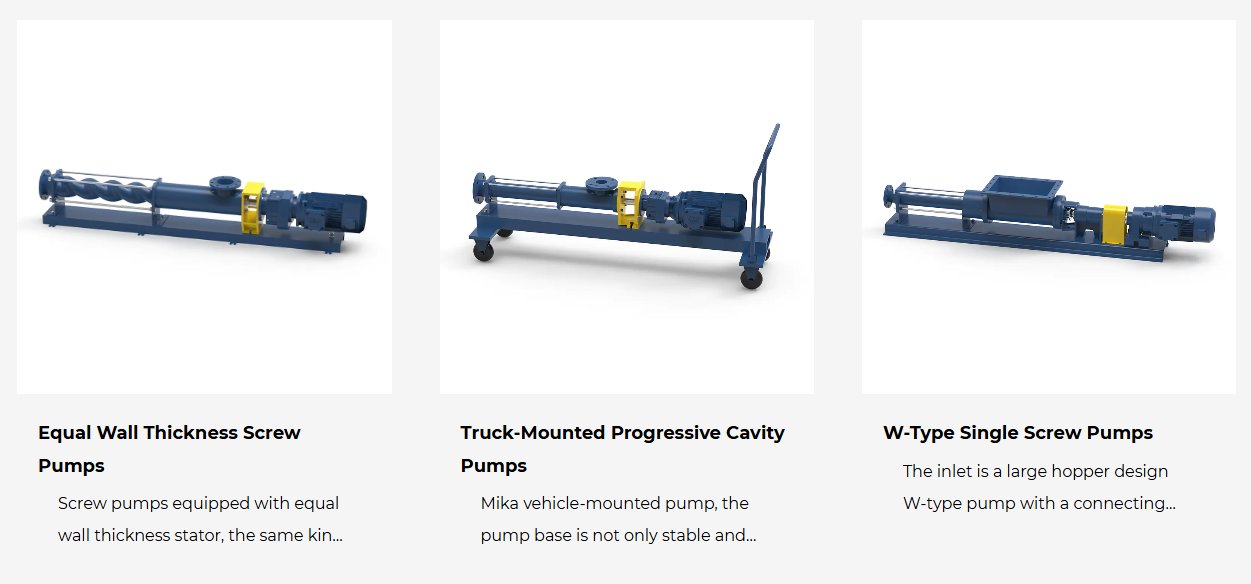
Obrázok 6: Produktový rad jednozávitovkových čerpadiel Meijia Pump Industry. Zľava doprava: Jednoskrutkové čerpadlo s rovnakou hrúbkou steny pre štandardnú obsluhu viskóznej kvapaliny; Progresívne dutinové čerpadlo montované na nákladné auto pre mobilné presuny; Jednoskrutkové čerpadlo typu W s veľkým vstupom do násypky pre vysoko viskózne a polotuhé materiály. Všetky modely obsahujú presne opracované jednoskrutkové rotory a vymeniteľný stator pre progresívne konštrukcie čerpadla s dutinou.
Ako je uvedené vyššie, sortiment produktov Meijia pokrýva primárne scenáre inštalácie, s ktorými sa stretávame v terénnych aplikáciách. The Jednoskrutkové čerpadlo s rovnakou hrúbkou steny poskytuje konzistentné stlačenie steny statora po celej jeho dĺžke, čím sa výrazne predlžuje životnosť statora v porovnaní s konvenčnými konštrukciami s rovnomerným vŕtaním – čo je dôležité najmä pri abrazívnych kalových skrutkových čerpadlách. The Progresívne dutinové čerpadlo montované na nákladné auto reaguje na požiadavky mobilného odvodnenia a núdzového prenosu a ponúka rýchle nasadenie bez pevnej infraštruktúry. The Čerpadlo typu W s nadrozmerným vstupom do násypky je navrhnutý špeciálne pre kaly, pasty a polotuhé materiály s vysokou koncentráciou, ktoré nie je možné gravitačne privádzať do štandardných vstupných konfigurácií.
Jingjiang Meijia Pump Industry Co., Ltd. 36 Xintai Road, zóna ekonomického a technologického rozvoja Jingjiang, provincia Jiangsu, prináša desaťročia výrobných skúseností do konštrukcie a výroby jednozávitovkového čerpadla. Ako profesionálny výrobca skrutkových čerpadiel Meijia integruje pokročilé CNC obrábanie, presnú gumovú vulkanizáciu na výrobu statorov a dôslednú vnútropodnikovú kontrolu kvality v každej výrobnej fáze. Spoločnosť poskytuje služby zákazníkom v oblasti environmentálnej úpravy vody, chemického, papierenského a celulózového, potravinárskeho a farmaceutického, petrochemického a energetického sektora – využíva hlboké aplikačné znalosti na prispôsobenie správnej konfigurácie čerpadiel a príslušenstva skrutkových čerpadiel pre každú úlohu.
Výber skrutkového čerpadla vyžaduje štruktúrované vyhodnotenie vlastností kvapaliny, podmienok systému a prevádzkových požiadaviek. Nasledujúce parametre by mali byť definované predtým, ako sa obrátite na výrobcu skrutkových čerpadiel, aby vám odporučil čerpadlo.
Technický tím Meijia systematicky kontroluje tieto parametre, aby odporučil správny model čerpadla, elastomér statora, konfiguráciu tesnenia a usporiadanie pohonu. Tento konzultačný prístup, podporený rozsiahlymi výrobnými skúsenosťami s jednozávitovkovými čerpadlami v rôznych priemyselných odvetviach, znižuje chyby v špecifikáciách a zabraňuje drahým predčasným poruchám v teréne.
Dobre vykonaná stratégia údržby dramaticky predlžuje životnosť progresívnych dutinových čerpadiel a znižuje celkové náklady na vlastníctvo. Dve primárne položky opotrebovania v jedinom závitovkovom čerpadle sú stator pre progresívne dutinové čerpadlá a jednoskrutkový rotor, pričom obe sa riadia predvídateľnými vzormi opotrebovania, ktoré umožňujú plánovanie výmeny na základe stavu.
Opotrebenie statora sa prejavuje postupným znižovaním objemovej účinnosti — čerpadlo dodáva menší prietok pri rovnakej rýchlosti. Operátori by mali pravidelne monitorovať prietok v porovnaní s rýchlosťou. Pokles o viac ako 10–15 % pri rovnakej rýchlosti a tlaku zvyčajne signalizuje, že by sa mala naplánovať výmena statora. Prevádzka opotrebovaného statora spôsobuje zvýšený vnútorný sklz, tvorbu tepla a zrýchlené opotrebovanie rotora. Meijia dodáva univerzálny stator pre progresívne dutinové čerpadlá vo všetkých hlavných typoch elastomérov a profiloch kompatibility, čo operátorom umožňuje vymeniť statory bez toho, aby boli viazaní na predĺžené dodacie lehoty výrobcov originálnych zariadení.
Opotrebenie univerzálneho kĺbu sa prejavuje abnormálnymi vibráciami, zvýšeným hlukom alebo vizuálnou kontrolou počas plánovaných odstávok. Intervaly výmeny sa značne líšia v závislosti od abrazivity kvapaliny a prevádzkovej rýchlosti. V skrutkových čerpadlách odpadových vôd a kalových skrutkových čerpadlách si spoje zvyčajne vyžadujú kontrolu každých 4 000 – 8 000 hodín. Kompletné zostavy pohonu Meijia sú vyrobené z legovanej ocele s presne opracovanými spojmi, ktoré zaisťujú spoľahlivý prenos sily a predĺženú životnosť komponentov.
Chod nasucho – prevádzka čerpadla bez kvapaliny – je jedinou najškodlivejšou podmienkou pre skrutkové čerpadlo. Bez mazania a chladenia procesnou tekutinou sa statorový elastomér rýchlo zahrieva a môže byť zničený v priebehu niekoľkých minút. Moderné inštalácie čerpadiel by mali zahŕňať detekciu chodu nasucho (snímače teploty statora, prietokové spínače alebo monitorovanie tlaku) s automatickým blokovaním vypnutia. Čerpadlové systémy Meijia môžu byť dodané s integrovanými ochrannými balíkmi, ktoré riešia toto kritické prevádzkové riziko.
Jingjiang Meijia Pump Industry Co., Ltd. sa nachádza na ulici Xintai č. 36, zóna hospodárskeho a technologického rozvoja Jingjiang, provincia Jiangsu. Je to profesionálna spoločnosť zaoberajúca sa výrobou, predajom a popredajným servisom jednozávitovkových čerpadiel a kvalitných náhradných dielov pre jednozávitovkové čerpadlá.
Ako špecializovaný výrobca a dodávateľ skrutkových čerpadiel Meijia Pump Industry spája množstvo skúsených, technicky vyspelých inžinierov, ktorí sa špecializujú na návrh, výrobu, kontrolu a kompletnú systémovú integráciu skrutkových čerpadiel. Jednozávitovkové čerpadlá Meijia sa vyznačujú pokročilou technológiou, kompletným konštrukčným dizajnom, rôznymi konfiguráciami, komplexnými špecifikáciami a preukázanou odolnosťou. Sú široko používané v environmentálnych úpravách vody, chemickom priemysle, papierenskom a celulózovom, potravinárskom a farmaceutickom, petrochemickom a energetickom sektore.
Meijia Pump Industry tiež poskytuje univerzálne príslušenstvo pre skrutkové čerpadlá a náhradné diely pre progresívne dutinové čerpadlá kompatibilné s hlavnými svetovými značkami jednoskrutkových čerpadiel. Jeho silná výrobná kapacita, rozsiahle praktické skúsenosti a vyspelé technologické možnosti poskytujú spoľahlivé záruky výkonu pre všetky dodávané produkty. Popredajné servisné stredisko spoločnosti má špecializovaný tím skúsených inžinierov, ktorí poskytujú dôkladnú podporu po dodaní. Meijia Pump Industry je váš dôveryhodný partner v technológii jednozávitových čerpadiel a poprední predstavitelia priemyslu zo všetkých sektorov sú vítaní, aby navštívili zariadenie a vymenili si technické znalosti.
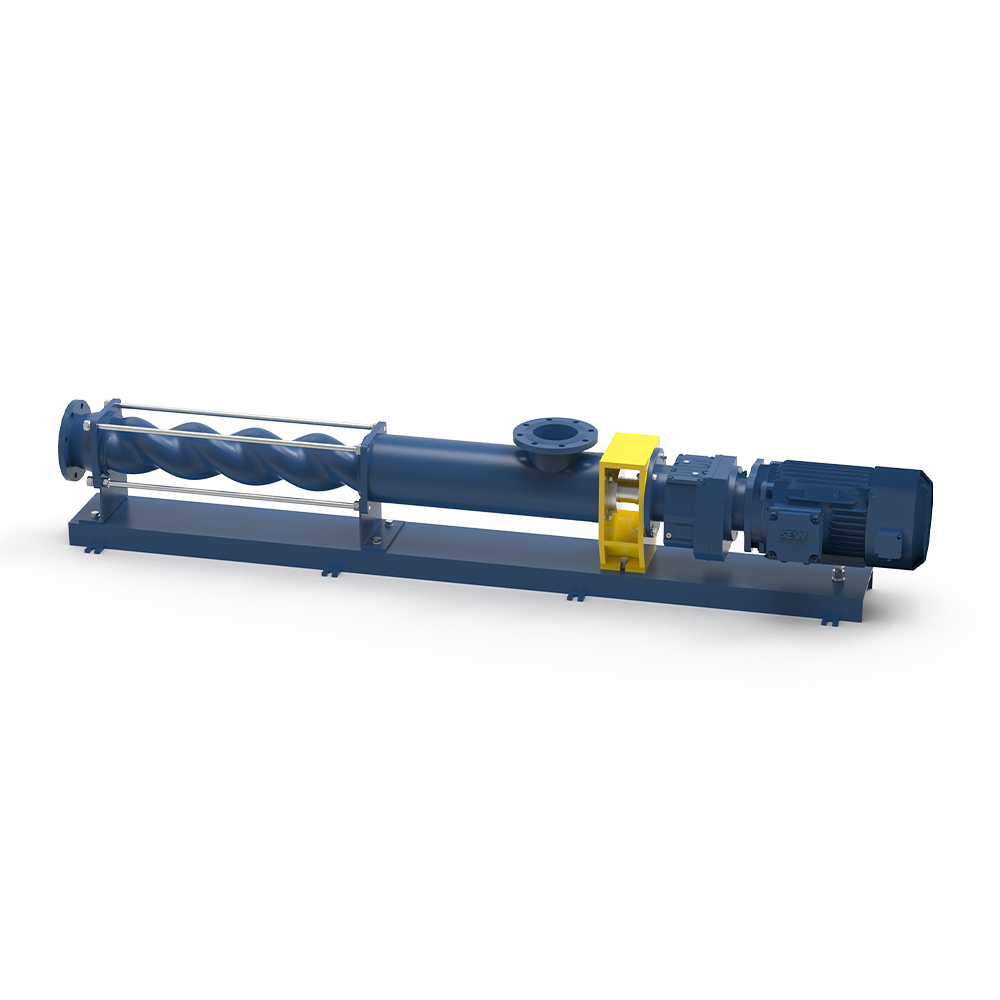
Skrutkové čerpadlá vybavené statorom s rovnakou hrúbkou steny, rovnakým druhom prietoku pumpy a tlaku sa zvyšuje. Rovnaká hrúbka steny statora zais...
Pozri podrobnosti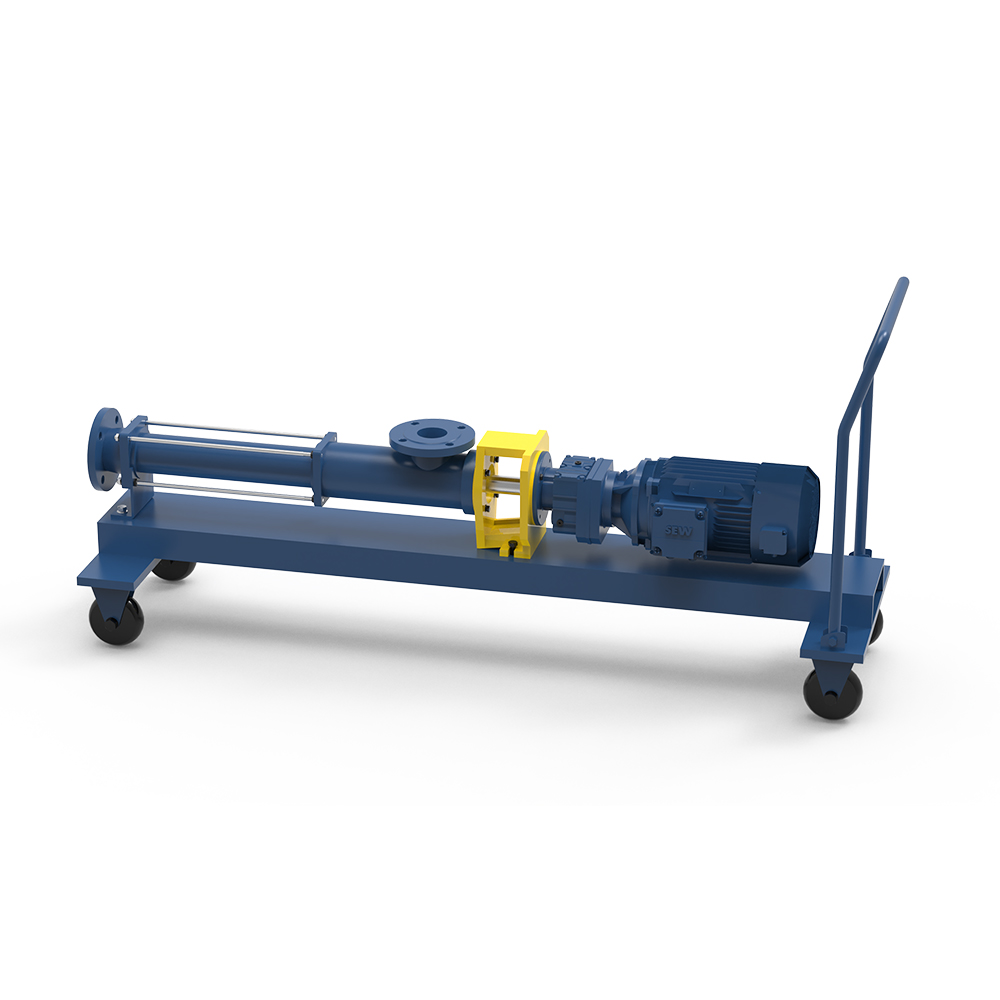
Čerpadlo namontované na vozidle Mika, základňa čerpadla je nielen stabilná a spoľahlivá, ale aj šikovne vybavená univerzálnymi kolesami, ale tieto ...
Pozri podrobnosti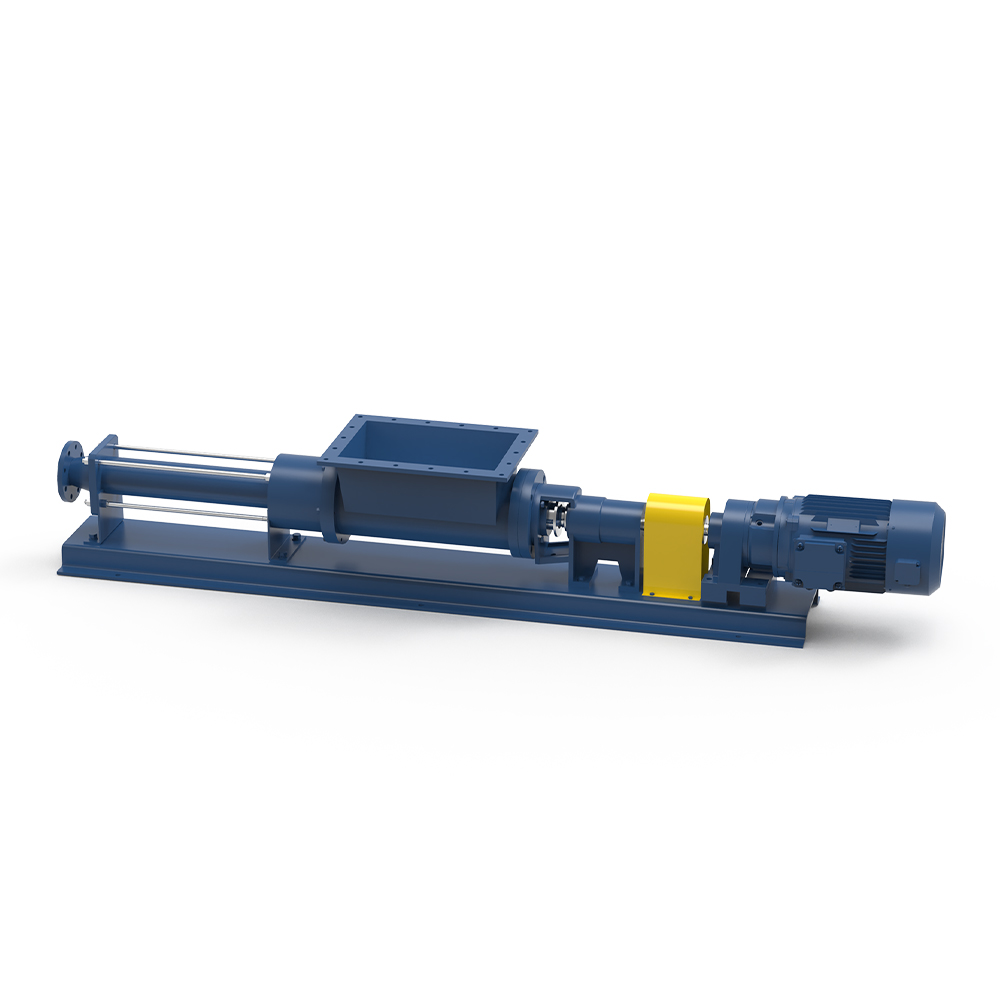
Vstup je veľké čerpadlo typu W-Design W-Type s spojovacím hriadeľom s viacerými špirálovými lopatkami (čo môže účinne zabrániť akumulácii materiálo...
Pozri podrobnosti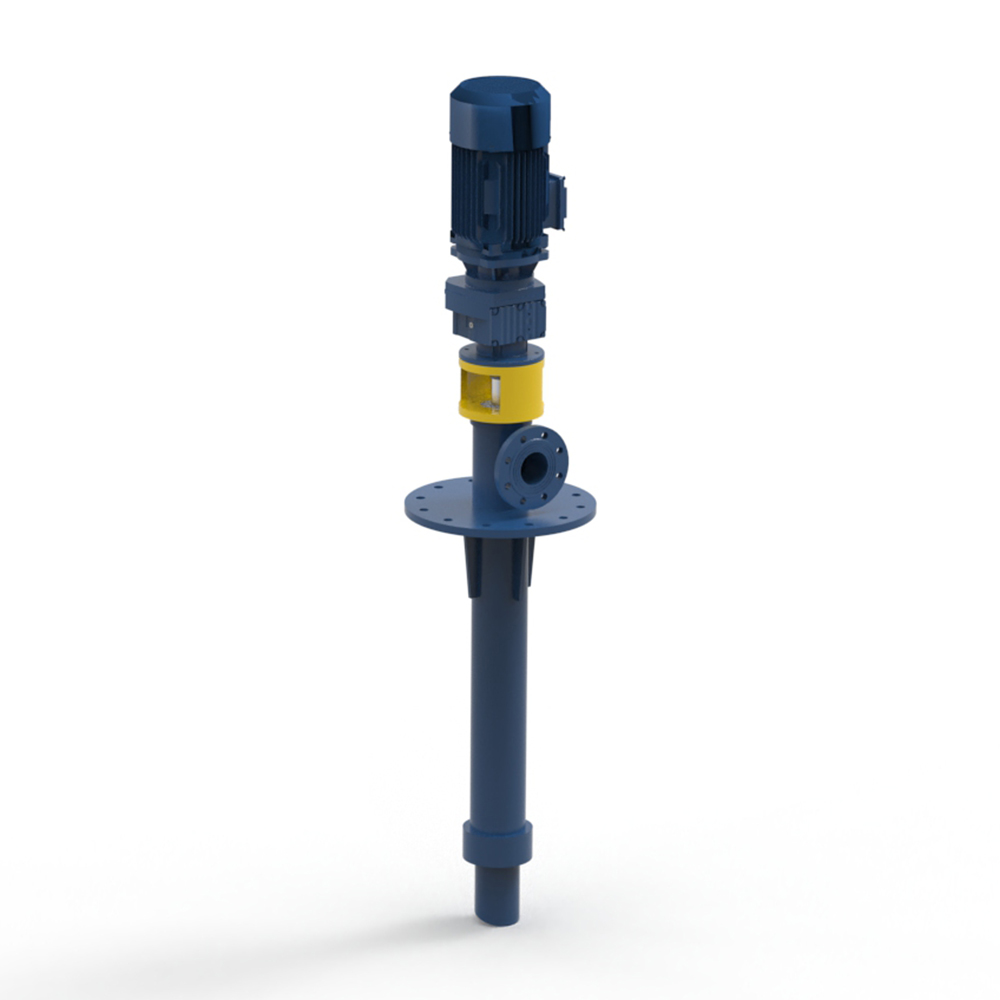
Vertikálne skrutkové čerpadlá T-typu Mika sa dajú dosiahnuť dĺžkou tela čerpadla do rôznych hĺbok bazéna, násypka čerpadla je umiestnená na spodnej...
Pozri podrobnosti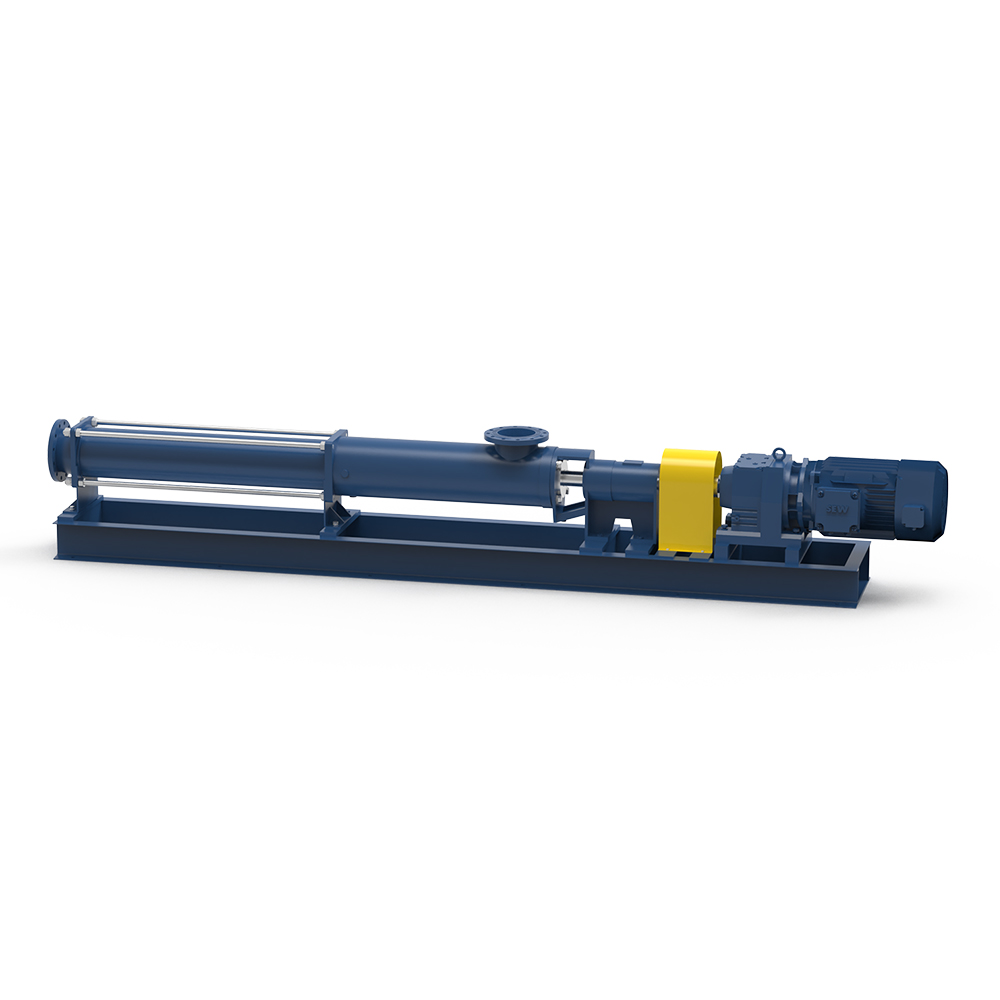
S-pump s podporou ložiskového rámca vydrží vyššie axiálne zaťaženie a môže sa použiť pre vysokotlakové podmienky, napr. Vysokotlakový kalový prívod...
Pozri podrobnosti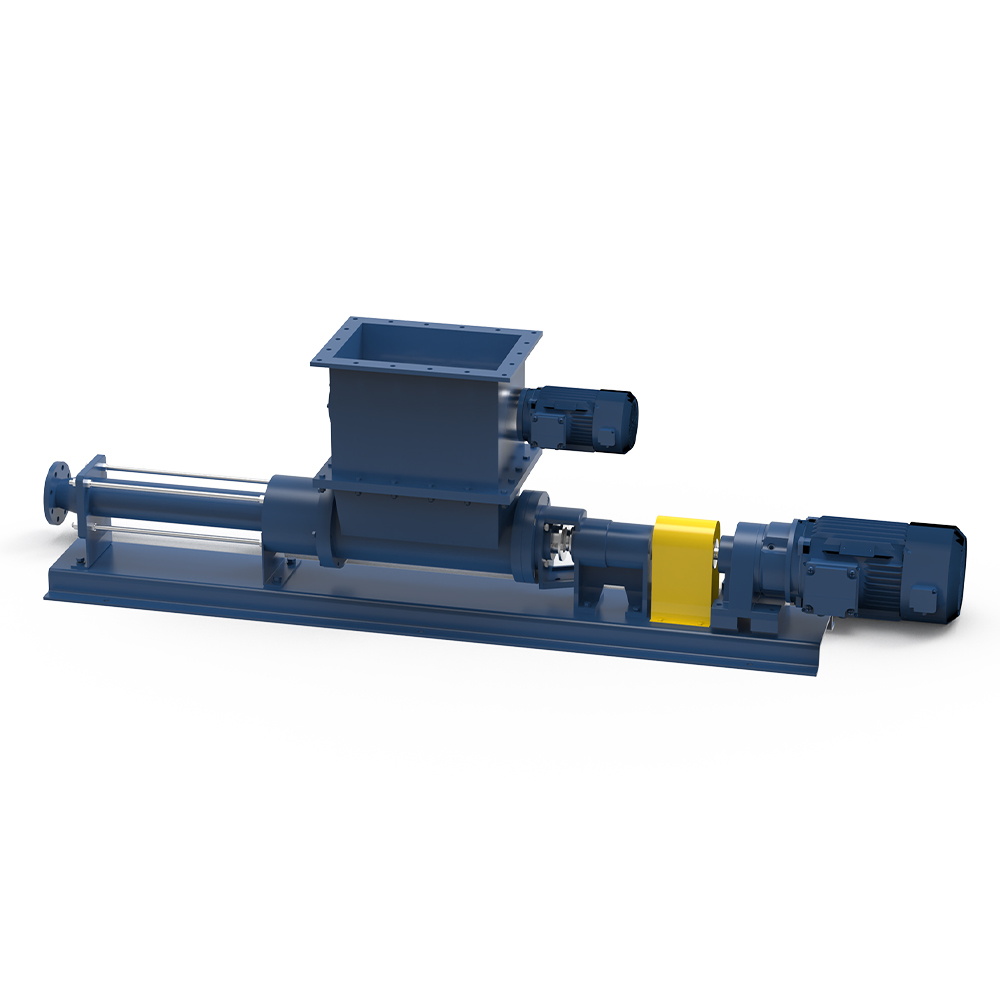
Vstup je navrhnutý pre veľkú násypku s most-lámajúcimi pumpami zariadenia, ktoré sú vhodné na sprostredkovanie materiálov s vysokou viskozitou, vys...
Pozri podrobnosti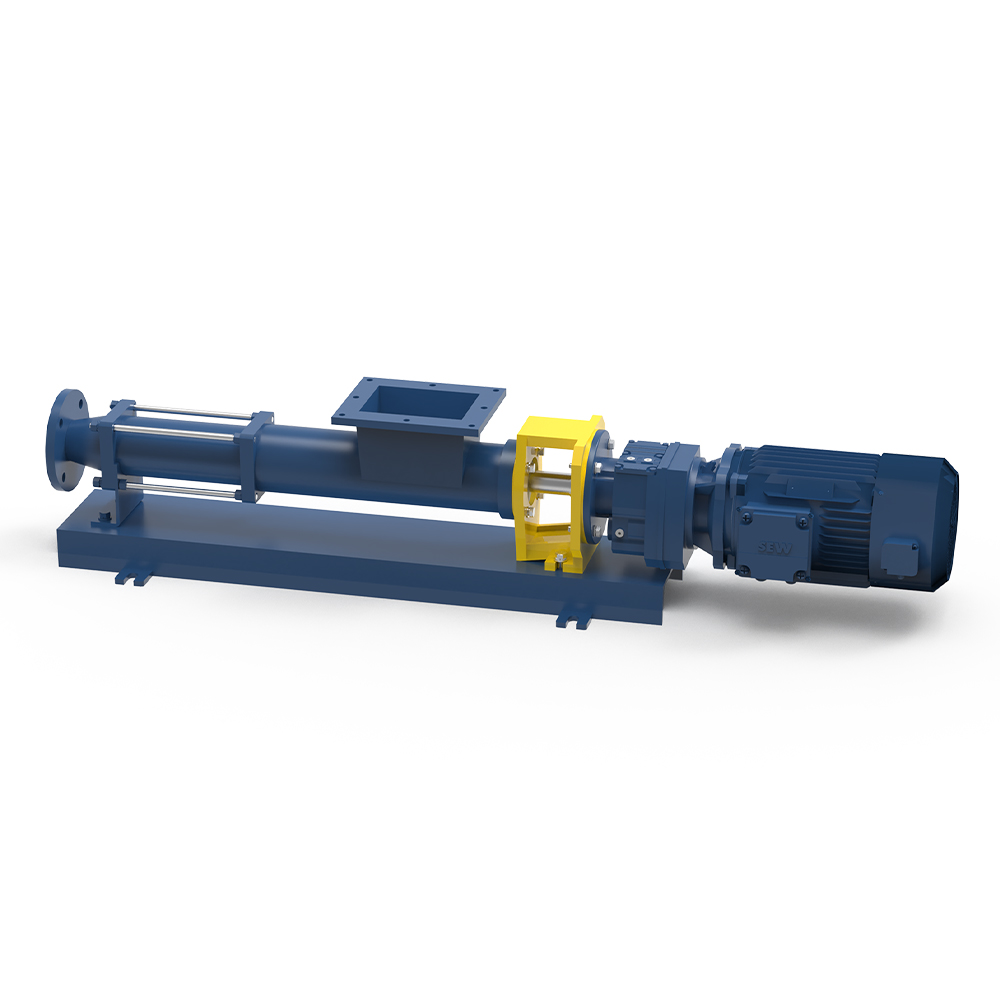
Vstup je malý obdĺžnikový dizajn Hopper Design H čerpadlo, vhodné na sprostredkovanie obsahu s vysokou viskozitou s tuhou viskozitou v menej ako 15...
Pozri podrobnosti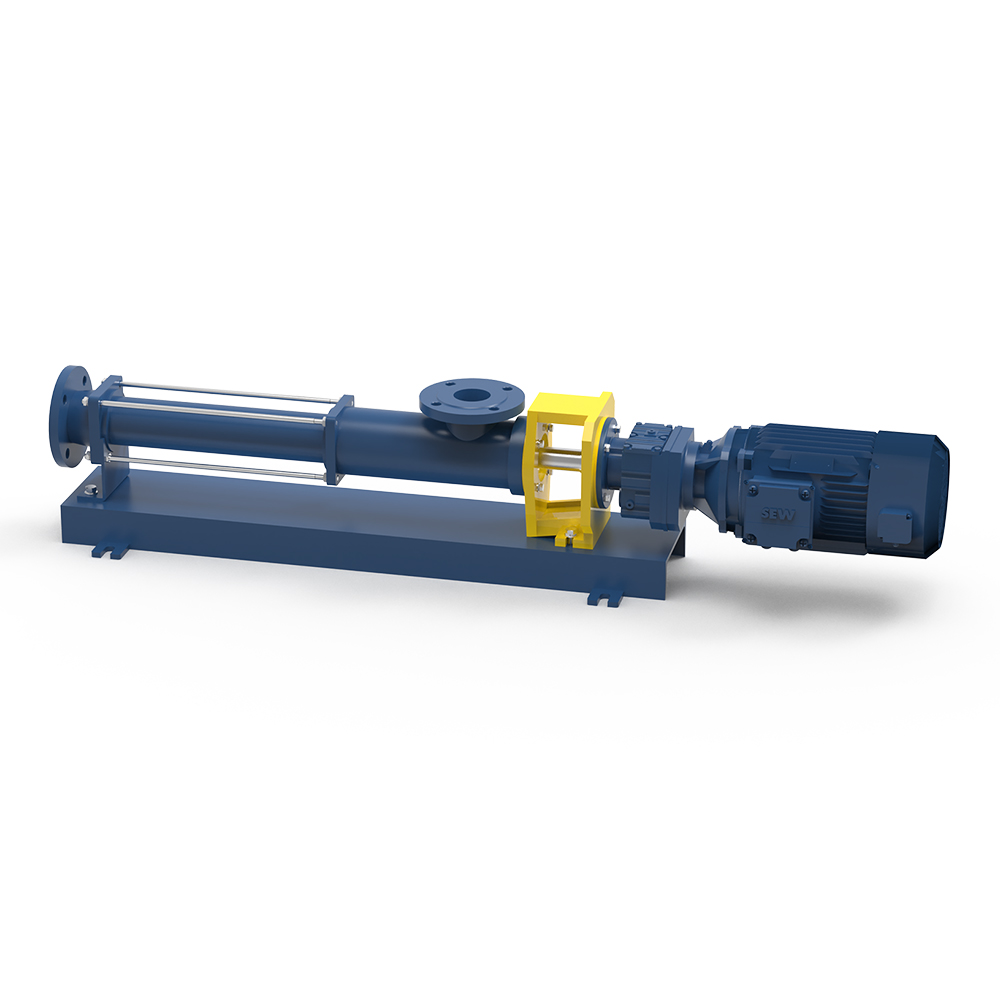
Čerpadlá Mika Classic B Direct-pripojené čerpadlá sú kompaktné, ľahko sa udržiavajú, s nízkymi investičnými nákladmi a sú vhodné pre širokú škálu b...
Pozri podrobnosti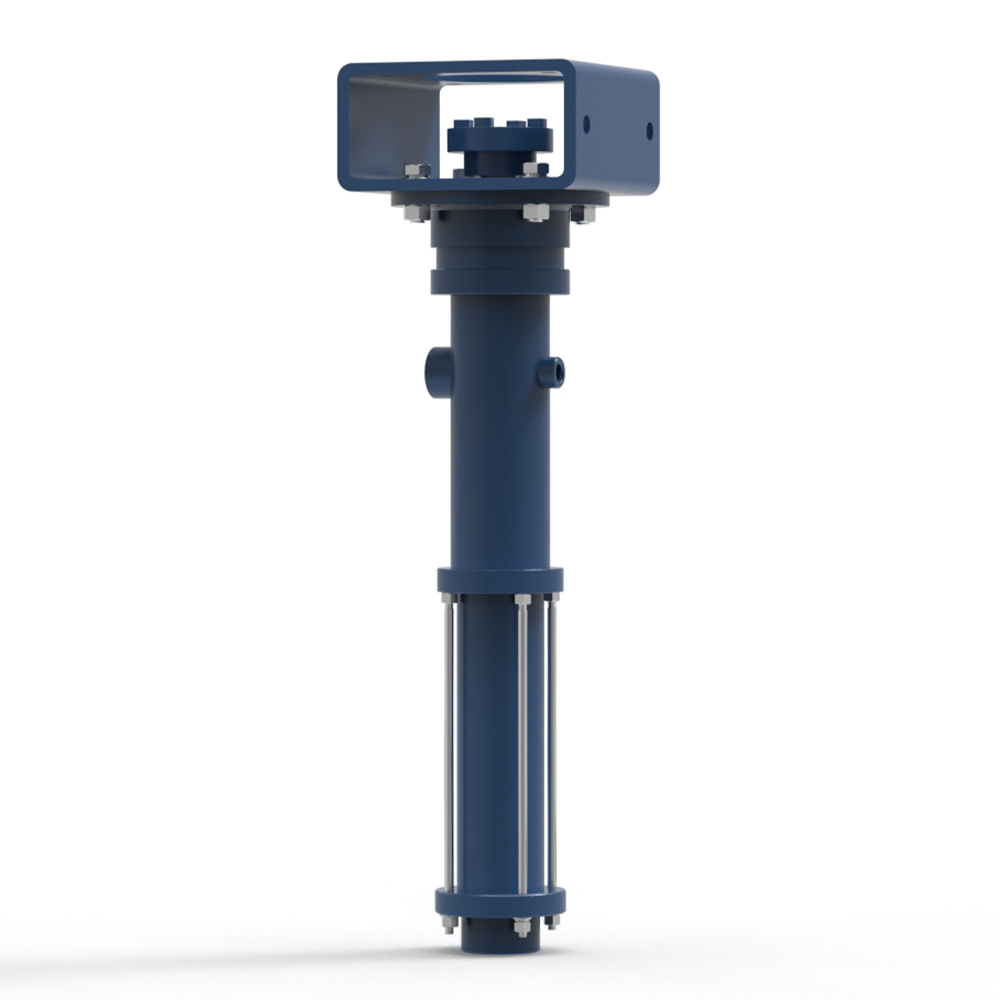
Presné prietokové rýchlosti a široký rozsah materiálov na meranie a dodávku všetkých druhov tmelu. Pracovný princíp Čerpadlo Meijia je...
Pozri podrobnosti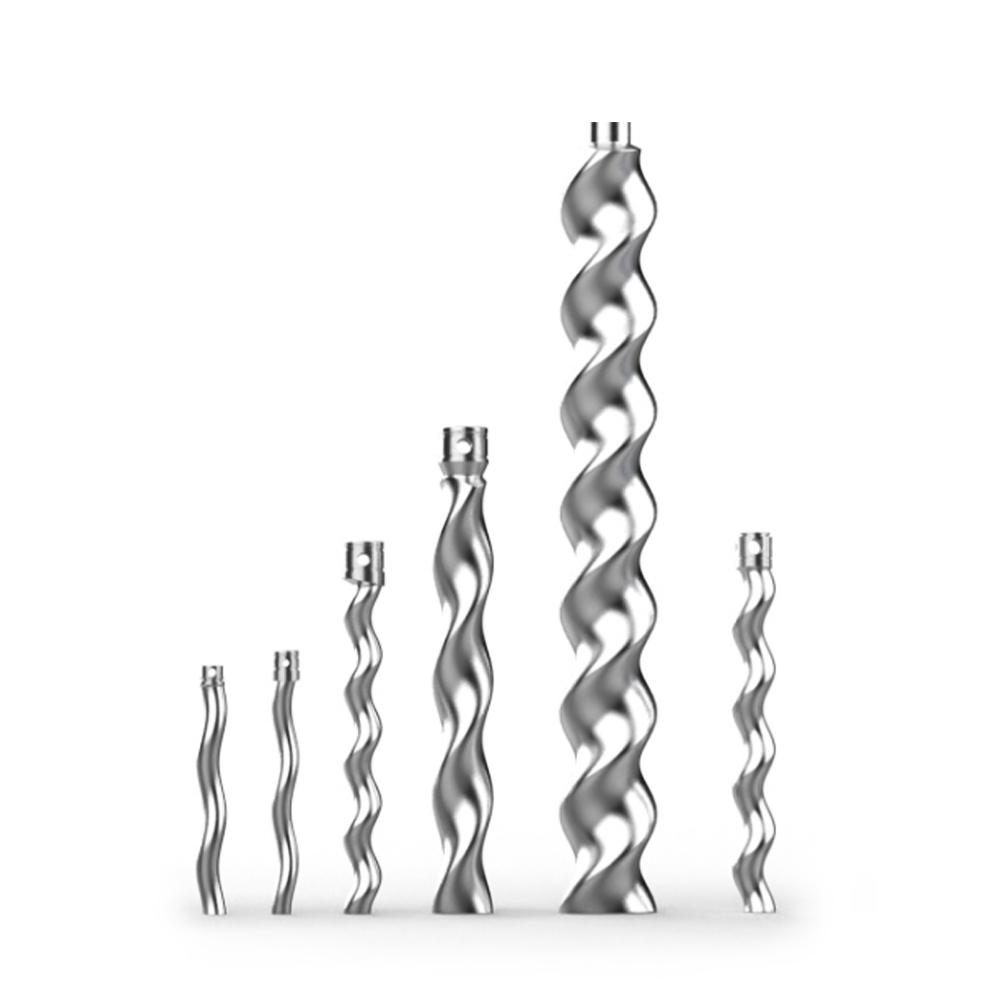
K dispozícii je viac materiálov, 304, 316L, 2205, povrchový povlak rotora môže byť chrómovaný alebo volfrámový karbid striekaný.
Pozri podrobnostiKontaktujte nás
Add: Č. 36 Xintai Road, Zone hospodárskeho rozvoja, mesto Jingjiang, provincia Jiangsu, Čína
Tel: +86-13515167342
Fax: +86-523-84261117
E-mail:
Radi by sme
počuť od teba!
